
A casino game hardly ever feels rewarding only because of the final balance. Pacing, the illusion of control, frequent small wins, and the way tension mounts before a payout all affect that feeling. Aviator new online, Spribe’s crash-style game, is not a traditional slot, but it generates the same rewarding buzz that has players coming back. Examining its mechanics through reward psychology shows why some games seem more generous and satisfying than others, even when the underlying mathematics are comparable. Aviator’s multiplier curve, cash-out agency, social layer, and transparent design work together to render it appear different from a typical slot.
The Mechanics of a Satisfying Game Session
How rewards are perceived in gambling is fueled by a mix of dopamine release, anticipation, and the player’s sense of agency. When a game offers unpredictable but positive outcomes at irregular intervals, it leverages the same variable-ratio reinforcement schedule that causes many activities feel compelling. In Aviator, that schedule is not controlled by spinning reels but by a rising multiplier that can crash at any moment. The visual of the aeroplane climbing higher, with the potential payout growing in real time, generates a palpable anticipatory state that traditional slots often achieve only during bonus rounds.
What sets Aviator apart is the active decision to cash out. In a standard slot, the machine sets the result the instant the spin button is pressed; the animations that follow are cosmetic. Aviator reverses this dynamic by making the player the one who must act to secure the win. This sense of control, even if the crash point is predetermined by a provably fair algorithm, substantially boosts the feeling of earning a reward. When we successfully exit at a 2.5x multiplier, the brain interprets it as a skilful choice rather than a passive stroke of luck, making the session feel more personally rewarding.
The near-miss phenomenon is recontextualized in Aviator. Watching the multiplier climb to 10x and then crash a fraction of a second after we hesitated does not feel like a random loss; it feels like a decision we almost got right. That near-win sensation, combined with the knowledge that we could have locked in a profit, reinforces the urge to try again. The game’s design converts every round into a short story of risk and resolution, and that narrative arc is a powerful driver of perceived reward intensity.
Stake Range Adaptability and Tailoring the Session
Aviator supports a diverse spectrum of playing styles through its versatile bet range. At most UK-facing casinos that host the game, the minimum stake is set at £0.10, while the maximum can go up to £100 or more per round. This breadth allows us to calibrate the reward sensation precisely. A conservative player placing £0.10 bets and withdrawing at 1.50x will enjoy regular, tiny wins that feel like steady progress. A high-roller betting £50 per round and pursuing 5x multipliers will ride a much more swinging wave, where each profitable cash-out delivers a significant bankroll boost.
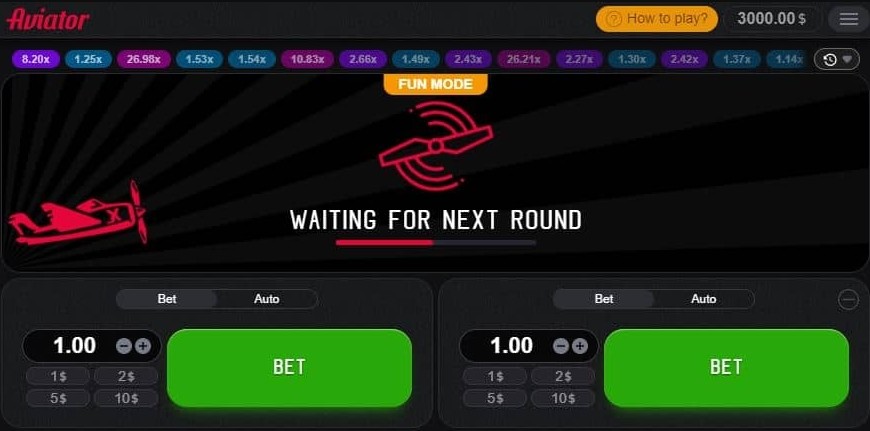
The game also offers making two parallel bets per round, a feature that significantly amplifies the feeling of strategic control. We can, for example, set one bet to auto cash-out at 1.20x to offset the round’s cost, while directly playing the second bet for a larger multiplier. This dual-bet strategy creates a safety net that minimizes the sting of a crash, because even if the manual bet loses, the automatic one has already locked in a small profit. The ability to engineer a setup where we hardly ever lose the full round stake makes the game seem consistently rewarding, even during erratic sessions.
- Minimum bet: usually £0.10, permitting risk-averse exploration.
- Maximum bet: frequently £100, appealing to those pursuing large single-round returns.
- Dual-bet panel: two independent wagers with separate cash-out controls.
- Auto cash-out per bet: set a target multiplier for one or both bets to lock in gains without manual input.
This level of bet customisation is unusual in traditional slots, where the spin cost is fixed and the outcome is completely beyond our control. By allowing us decide not only how much to wager but also when to exit, Aviator turns the bet size into an integral component of the reward strategy. The outcome is a game that appears tailored to our unique risk tolerance, and that individualization makes every win seem more like a calculated achievement than a random event.
A Multiplier Curve and the Illusion of Predictability
The multiplier in Aviator does not increase at a perfectly constant rate; it quickens gently, and the visual graph draws a smooth, upward-sloping curve. This design choice is deliberate. A linear climb would feel mechanical, but a curve that bends upward as the number grows brings a subtle sense of momentum. Our brains are pattern-seeking machines, and we naturally commence to anticipate when the curve might break. Even though the crash point is random and predetermined, the visual feedback creates an illusion of predictability that makes the cash-out decision feel more skillful than it actually is.
This illusion is reinforced by the game’s round history, which presents the last several crash points as a list of multipliers. Players often search for streaks, a series of low crashes followed by a high one, and modify their strategy accordingly. While statistically each round is independent, the human tendency to discern patterns in random sequences makes the game feel like it has a rhythm we can learn. That perceived rhythm provides us a sense of mastery, and mastery is one of the strongest drivers of intrinsic reward. When we correctly forecast that a high multiplier is due and cash out at 10x, the satisfaction is disproportionate to the mathematical reality.
That predictability is an illusion, though, and the game’s provably fair architecture confirms it. From a reward-perception standpoint, the illusion is valuable. It changes a purely random outcome into something that feels like a challenge. This is the same psychological mechanism that makes certain slots with gamble features or skill-stop reels feel more engaging. Aviator simply removes the slot metaphor and presents the risk-reward decision in its purest form.
The manner Aviator’s Core Mechanics Build Tension and Authority
The Multiplier Growth Phase
Each round opens with a small aeroplane taking off from the left side of the screen. A multiplier counter starts at 1.00x and climbs steadily, accelerating slightly as the number ascends. The flight path is smooth, and the rising curve is presented on a simple graph that all players can see. There are no reels, paylines, or symbol combinations to decode. The only variable that matters is the multiplier at which the plane flies away and the round ends. This minimalist presentation eliminates the cognitive load of evaluating complex paytables and lets players focus entirely on the tension of the climb.
The multiplier can crash at any value, from a underwhelming 1.01x to a rare 1,000x or beyond. Because the crash point is created by a cryptographic algorithm before the round starts, the outcome is fixed, but it remains hidden from the player. The rising line creates an illusion of real-time progression, and the longer the plane stays in the air, the more the potential payout expands. This structure naturally develops suspense without relying on scatter symbols or free-spin triggers, making every second of the round feel active and consequential.
The Withdrawal Decision
The defining interactive element is the cash-out button. Players must press it before the plane flies away to collect their stake multiplied by the current coefficient. If they fail to act in time, the bet is lost. This mechanic transforms a passive gambling experience into an active one. We are not waiting for a bonus to trigger; we are constantly evaluating whether to take the profit now or hold for a higher multiplier. That split-second judgement call stimulates the same decision-making circuits that make skill-based games feel rewarding, even though the underlying process remains random.
Because the cash-out window is entirely under our control, the game eradicates the frustration of watching a slot bonus round deliver a poor payout after a long wait. In Aviator, if we are satisfied with a 1.5x return, we can secure it instantly and move on. This autonomy over when to collect winnings produces a stronger sense of personal achievement. When a round ends in a crash before we cash out, we tend to blame our own timing rather than the game, which paradoxically heightens motivation to play another round and get it right.
Volatility and the Adrenaline of Risk-Reward Play
Aviator is a high-variance game. Most rounds finish at small multipliers, often under 2.00x, and it is frequent to see several successive crashes before a single round climbs past 5.00x. This fluctuation profile means that cautious cash-out strategies can produce frequent small wins, while risky play can result in long dry spells interrupted by explosive payouts. The psychological rollercoaster that high volatility generates is a core reason why some slots appear more rewarding than their low-variance counterparts, and Aviator amplifies this effect by putting the volatility management directly in our hands.
In a conventional high-volatility slot, we must withstand dead spins and wait for a bonus feature that may or may not pay well. Aviator condenses that expectation period into seconds. Instead of rotating reels 200 times to activate free spins, we observe 10 to 20 rapid rounds, each lasting anywhere from a few seconds to half a minute. The condensed time frame heightens the emotional highs and lows. A round that fails at 1.02x is immediately followed by another take-off, so the bite of loss is quickly supplanted by fresh expectation. This rapid loop keeps the reward system stimulated without the lulls that can make some slots seem tedious.
The visibility of extreme multipliers in the game’s history panel drives the notion that a life-changing win is always within grasp. When we notice that the last 500x multiplier happened only ten minutes ago, the potential feels real. That near-miss of time, rather than of reel position, is a strong motivator. The mix of high volatility and visible proof of big wins creates a reward environment that seems both dangerous and equitable, a harmony that many players find deeply satisfying.
Grasping Return to Player and Its Influence on Perceived Value
Return to Player, or RTP, is the calculated percentage of total wagers a game pays back to players over an long period. Aviator typically functions with an RTP of 97%, a figure that positions it in the higher range of casino games and well above many classic slots that range around 95% to 96%. under the hood This one-percentage-point difference may seem small, but over thousands of rounds it translates into a markedly slower drain on the bankroll, and that immediately influences how gratifying a session feels. When we lose less regularly or less drastically, the game seems more giving.
Keep in mind that the 97% RTP is a long-term statistical average, not a guarantee for any single session. In practice, the game’s high volatility means we will encounter periods of rapid losses intermingled with infrequent large multipliers. However, the fairly high RTP means that when we do hit a big cash-out, the payout is likely to be significant enough to offset several previous losing rounds. This pattern of clustered returns mirrors the reward profile of high-RTP slots, but with the added benefit that we can actively choose to exit at a modest multiplier and preserve capital, efficiently managing our own short-term RTP.
Because Aviator uses a provably fair system, we can autonomously verify that each round’s crash point was not manipulated after bets were placed. This transparency reinforces the perception that the advertised RTP is real. When a game feels mathematically honest, every win, no matter how small, holds more psychological weight. We are not left wondering if the game suddenly hardened; we can check the round hash and confirm the outcome was fixed fairly, which intensifies the sense that our rewards are earned rather than gifted by a hidden algorithm.
Social Elements and the Collective Reward Experience
One of the most unique aspects of Aviator is its embedded social dimension. A live chat panel runs alongside the game, and every player’s cash-out is broadcast in real time, along with the multiplier they obtained. When we see another player exit at 200x while we are still holding, it generates a shared moment of excitement. This communal experience transforms solitary gambling into a collective event, and the social validation of seeing others win big amplifies our own anticipation. The feeling that we are all in the same ascending plane together makes the reward sensation more vivid.
The game also shows a live leaderboard of top wins for the day, week, or month. Seeing a £5 bet turn into £2,500 because someone held through a 500x multiplier is not just a statistic; it is a story unfolding in the same game we are playing. This social proof reinforces the belief that large multipliers are attainable, and it brings a layer of competitive motivation. We begin to think, “If they can do it, so can I.” That aspirational dynamic is a strong motivator of engagement and renders every round feel like a step toward joining the leaderboard.
Beyond the chat and leaderboard, the simple act of watching the collective bet amounts and cash-out notifications establishes a rhythm. We see patterns of caution and bravery among other players, and we can opt to follow the crowd or go against it. This social decision-making adds depth to the experience. When we cash out at a modest multiplier and then watch the plane soar to 100x, we share in the collective groan of the chat, and that shared emotion, even in loss, renders the game feel more alive and socially rewarding than a solitary slot session.
Scheduled Cash-Out and Strategy Tools That Enhance Satisfaction
Configuring a Fixed Auto Cash-Out
The auto cash-out feature lets us predefine a multiplier at which our bet is automatically collected. This tool removes the pressure of the manual click and eliminates the risk of hesitation during a fast climb. By setting a target of, say, 1.80x, we can step back and let the game execute our strategy with mechanical precision. This is especially useful for players who want to grind small, consistent returns without the emotional fatigue of constant decision-making. The satisfaction of seeing the auto cash-out trigger exactly as planned bolsters a sense of discipline and control.
Employing the 50% Auto Cash-Out Option
Aviator also offers a quick-select button that automatically cashes out half the bet at the current multiplier while leaving the other half to ride. This partial cash-out function is a refined risk-management tool. It assures that we lock in some profit while still retaining exposure to a potentially larger multiplier. The psychological benefit is considerable: even if the remaining half crashes, we have already secured a win, so the round feels like a net positive. This mechanism lessens regret and makes the game feel more forgiving, which in turn makes the overall session feel more rewarding.
These strategic tools transform the player’s role from passive observer to active risk manager. We are not simply hoping for a good outcome; we are implementing a plan. When the plan works, the sense of reward is amplified because it feels earned through foresight rather than chance. Even when the plan fails, we can analyze what went wrong and adjust for the next round. This feedback loop of strategy, execution, and review is far more engaging than the one-dimensional spin-and-wait cycle of most slots, and it explains why Aviator can feel so much more personally rewarding.
The Reason Aviator Feels More Satisfying Versus Traditional Slots
Traditional slots pay players through a mix of base-game hits, bonus features, and the occasional big win. The experience is largely inactive: we choose the bet, press spin, and anticipate for the reels to stop. Even in feature-rich slots with free spins, expanding wilds, and pick-me games, the outcome is set the moment we initiate the spin. Aviator flips this relationship entirely. We are not hoping for a feature; we are engaged inside one continuous, escalating decision. Every round is a bonus round, and the reward is directly proportional to our nerve and timing.
The removal of paylines, reels, and symbol combinations is not a limitation but a release. There is no necessity to learn paytables or calculate ways-to-win. The only number that counts is the multiplier on the screen. This radical simplicity makes the reward structure clear. We recognize exactly what we stand to win at any given moment, and we appreciate exactly what we risk losing if we wait too long. That clarity reduces the cognitive load that can make complex slots feel opaque and, at times, unfair. When a win arrives, it is instantly clear and emotionally immediate.
The provably fair technology underpinning Aviator delivers a level of trust that traditional slots, with their opaque random number generators, cannot match. We can confirm each round’s integrity using the server seed, client seed, and round hash. This auditability transforms the reward from a blind act of faith into a provable event. When we cash out at 50x and then check the round’s cryptographic proof, the win seems more genuine. That credibility deepens the satisfaction and makes the entire session feel like a clear exchange rather than a gamble against an unseen algorithm.
The social dimension and strategic tools merge to create a reward ecosystem that is more fulfilling than any single slot can offer. We are not just playing against the house; we are playing alongside a community, celebrating wins, and learning from each other’s cash-out decisions. The dual-bet system and auto cash-out features permit us to craft a personal risk profile that matches with our goals, whether that is slow accumulation or the pursuit of a rare mega multiplier. This combination of agency, transparency, and social connection creates a reward sensation that is deeper, more regular, and more personally significant than the spinning reels of a conventional slot.
